Eyesight numbers · 20/25 explained
What does 20/25 vision mean?
20/25 means that at 20 feet you make out what a typical eye makes out from 25 feet — one line softer than the 20/20 reference row, and the gentlest chart result that gets written down at all. It corresponds to an approximate −0.25 to −0.50 glasses number, and most people at this level get through an ordinary day without reaching for lenses.
Your chart result
20/25
20/25 sits at the very bottom of the mild band, which runs −0.25 to −3.00 — an approximate −0.25 to −0.50 glasses number, one quarter-step or two past zero. Every other value on this scale pulls the clear edge further in; 20/25 barely moves it off the horizon.
What 20/25 actually means
The whole difference lives at long range. Text a 20/20 eye resolves from 25 feet you have to be 20 feet from, so a street sign at the end of a block arrives a beat late and a scoreboard across a stadium is slightly grainy. Inside a room nothing changes: a face across a table, a whiteboard from the back row, a TV, a laptop, a book all read normally. Most people at 20/25 discover the number at an eye exam rather than by noticing anything.
20/25 sits comfortably above every driving standard in the US. The unrestricted-licence line most states use is around 20/40, five chart lines coarser, so 20/25 clears it with room to spare. Glasses at this level are a preference rather than a requirement — some people like a light pair for night driving or a back-row seat at the cinema, and many never bother with one.
For scale, the “legally blind” threshold is 20/200 or worse in the better eye with the strongest suitable lenses on. 20/25 is eight rows above that number and is measured here bare-eyed, so the label has nothing to do with this result. Treat the matching −0.25 to −0.50 band as approximate: the chart and the glasses number measure different things.
See where any number lands
20/25is one point on the scale. The free interactive explainer takes any 20/xx chart result or glasses number and shows the clear distance, the mild-to-high band, and what “legally blind” does and doesn't mean — with the diagrams above and a side-by-side chart-to-glasses table.
Open the eyesight-numbers explainer →
Not sure which line is yours? The free online eye test draws a real letter chart sized for your screen and your distance and reads a 20/xx line per eye. Test your own line →
Have the paper from the optician? The free eye prescription calculator explains every number on it.
Common questions
What does 20/25 vision mean?
At 20 feet you see what a typical eye sees from 25 feet — one line softer than the 20/20 row. Long-range detail such as a distant street sign or a stadium scoreboard arrives slightly late; everything inside a room stays sharp. It matches an approximate −0.25 to −0.50 glasses number.
Do you need glasses with 20/25 vision?
Usually not. 20/25 is soft only at real distance, so daily life stays clear without lenses. Some people like a light pair for night driving or a far-off screen; many never get one. At this level glasses are optional rather than necessary.
Can you drive with 20/25 vision?
Yes. The unrestricted-licence line most US states use sits around 20/40, five chart lines coarser than 20/25, so this result clears it with room to spare. Nothing about 20/25 restricts a licence.
Is 20/25 vision bad?
No — it is the mildest chart result that gets recorded, one line off the reference row. It clears every US driving line, leaves close-up vision untouched, and sits nowhere near the 20/200-with-best-lenses threshold behind the phrase legally blind.
What to do with your number
The full method is a structured 90-day program — proper lenses, measured progress, the things only experience can tune.
EndMyopia members work on lowering their glasses numbers step by step. The whole thing — your numbers explained, lens recommendations, daily habits, weekly check-ins — lives inside BackTo20/20. Full Program $997 $997 once · or $99/mo × 12 · lifetime access · money-back guarantee.
Full program USD 997 · money-back guarantee
Or keep exploring with the free Eyeball Analyzer (20 minutes, your numbers, what they mean).
Limitations & disclaimer
EndMyopia treats myopia as a refractive state, not a medical condition. This is a free educational tool — not medical advice, diagnosis, or a substitute for a licensed optometrist. Measurements depend on camera quality and how carefully you mark the card edges; expect ±5–10 % on laptops, ±10–15 % on phones. For lens orders, eye health concerns, or any task requiring full 20/20 vision, see a licensed professional.
Your glasses are a subscription
Designed to keep your eyes blurry.
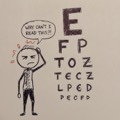

Simple therapy can get your real eyes back. — Jake Steiner, vision biologist turned eye guru
Get your real eyes back →